The Bali Indah Complex in the Charlot Valley is a space where the tradition of Bali comes to life, creating a unique place for spiritual reflection, artistic experiences, and contact with nature.
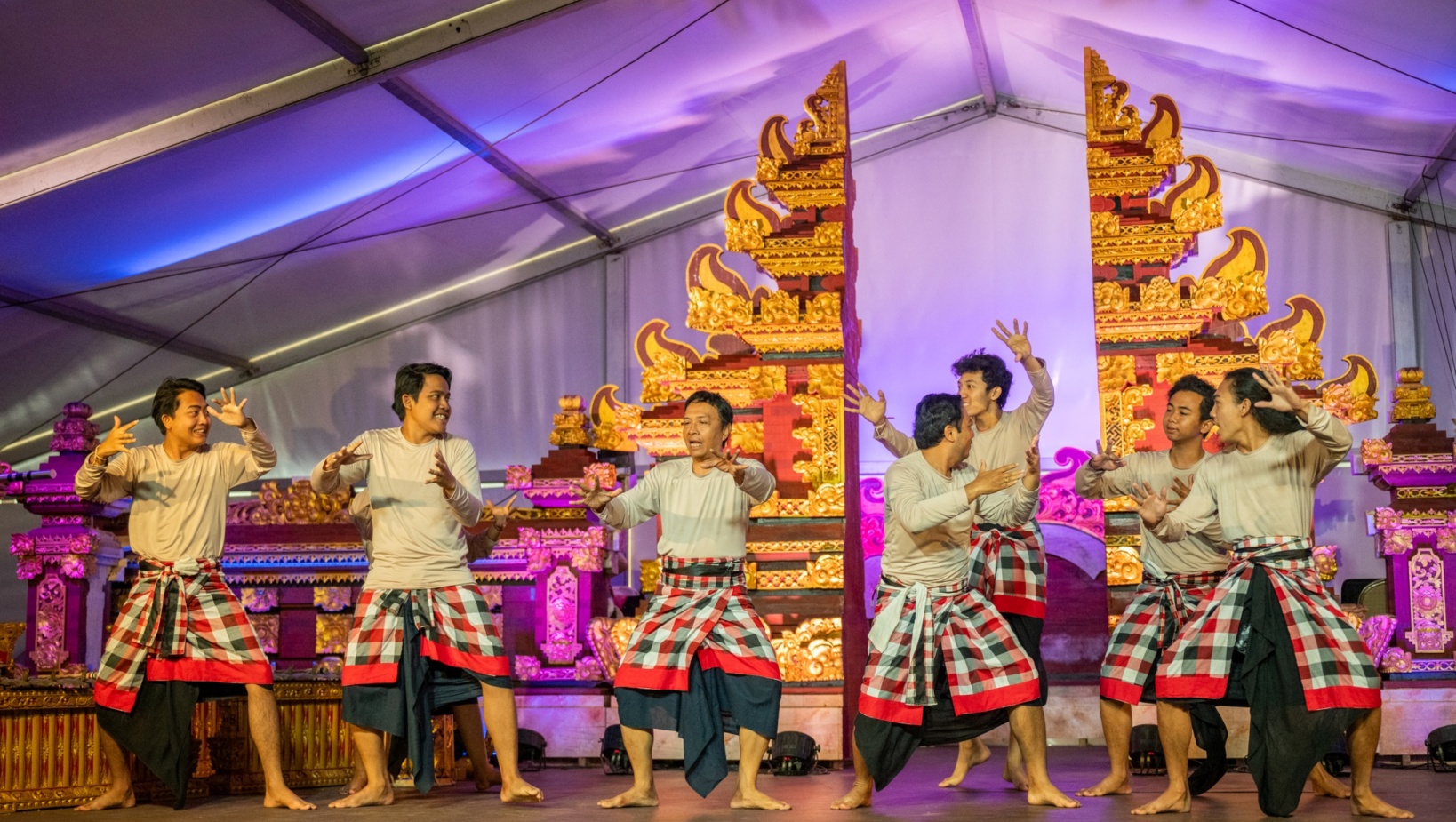
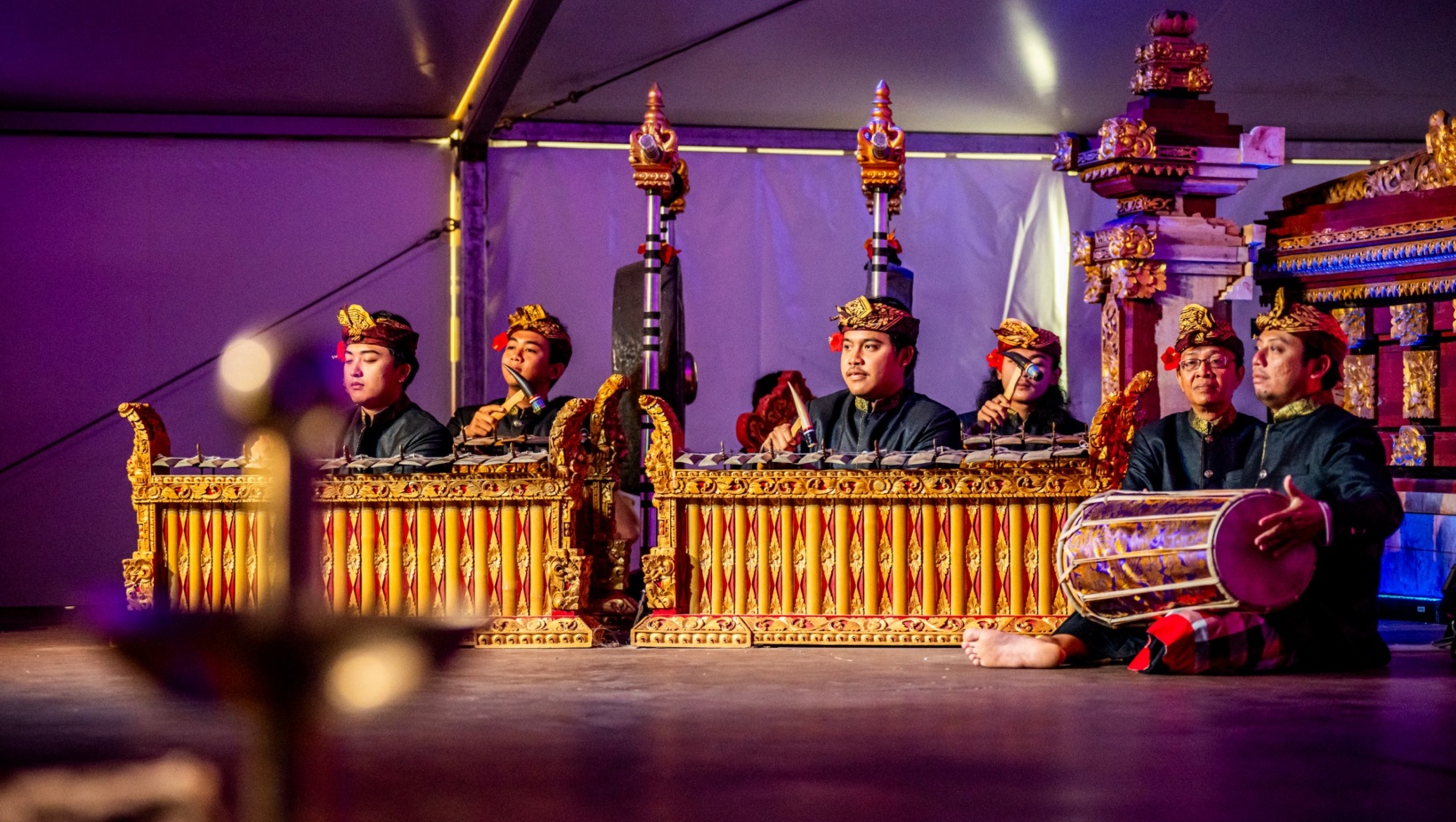
Balinese theater is a fascinating combination of dance, music, and stories deeply rooted in local mythology. Performances are held in the Wantilan theater hall, fully showcasing the artistry of Bali – from sensual dances to hypnotic gamelan rhythms.
Wantilan, being the largest type of pavilion in Balinese architecture, is housed under an impressive, multi-level roof. As a public building, it is usually located in the main square of the village or in the open courtyard of a Balinese temple, serving as a space for organizing social events, such as meetings or public musical performances. At the same time, it is an integral part of traditional ceremonies, for example, during cockfighting rituals (Balinese: tajen).
The Wantilan space is characterized by a simple, flat floor – often with a designated stage that allows for gamelan performances and traditional dances.
Balinese theatre
What will you experience?
✔️ Participation in annual cultural festivals organized by Bali Indah, in collaboration with artists, dancers, and musicians from the Bali Arts Institute.
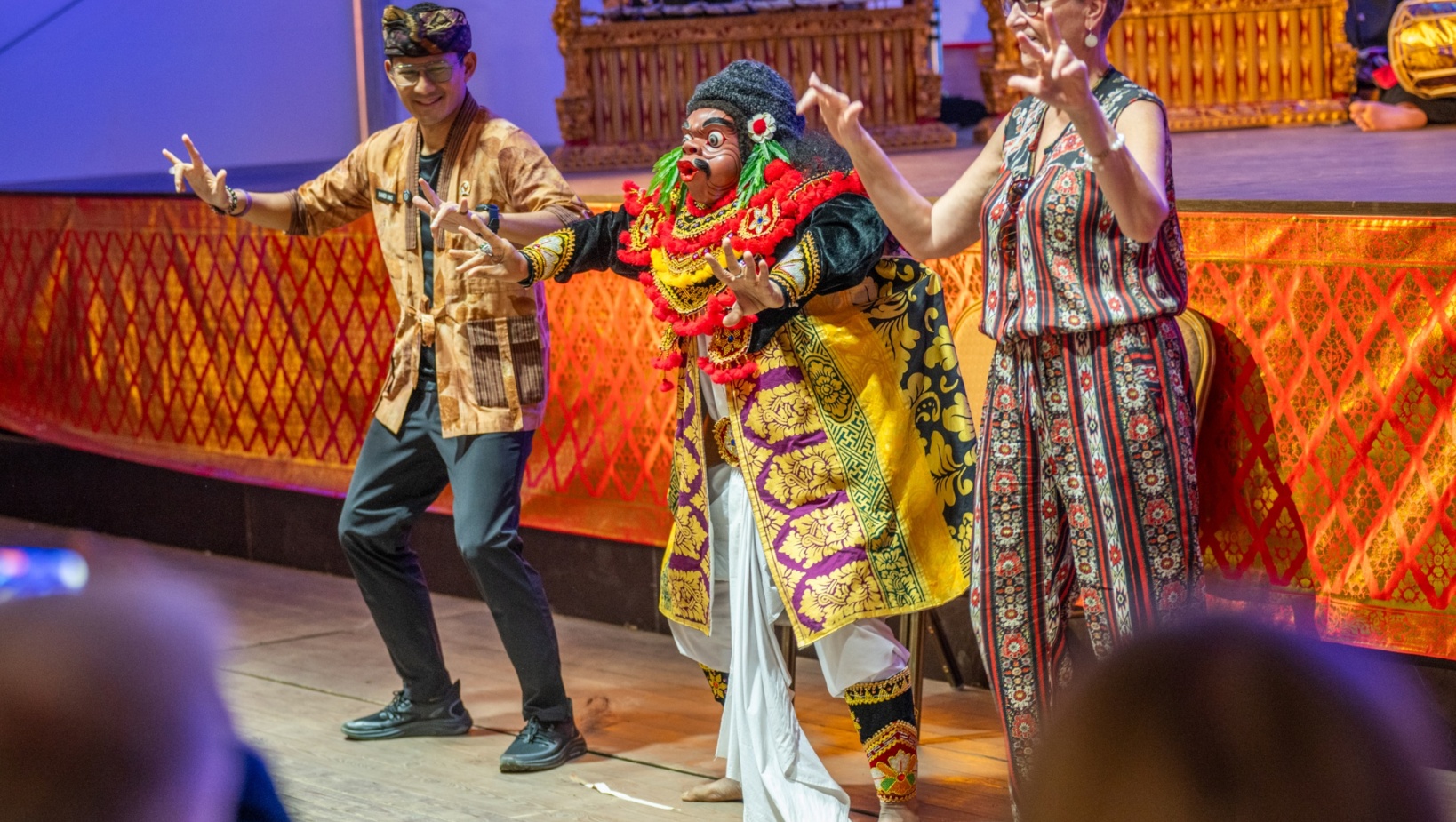
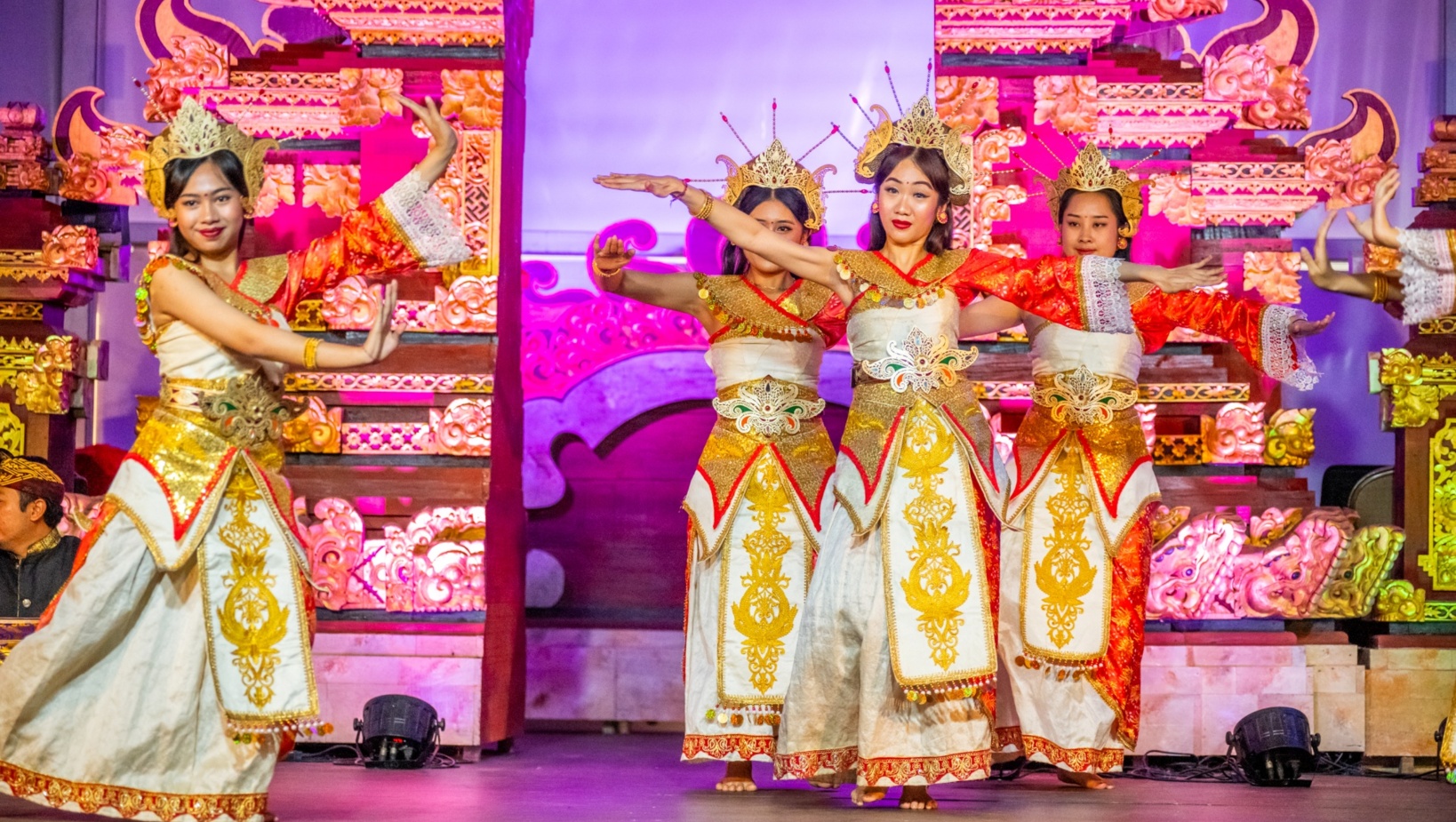
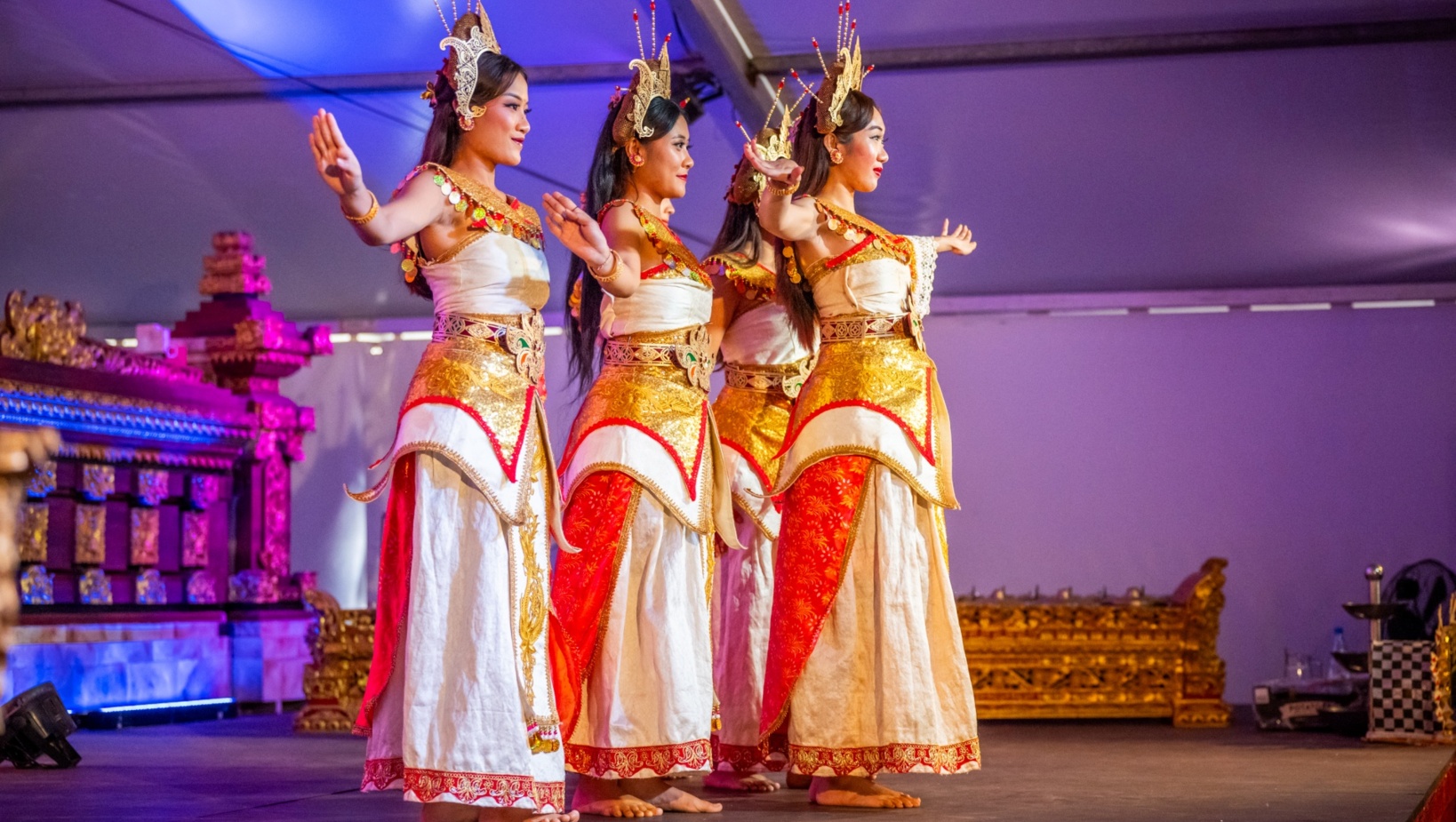
✔️ Spectacular Barong and Legong dance performances – expressive stories about the battle between good and evil.
✔️ Performances by musicians playing traditional gamelan instruments and dancers in colorful costumes and masks, playing a key role in the shows.
Performances take place daily during the holiday season.
.
Event Media Patron
Radio Gdańsk – a regional station of Polish Radio – has taken media patronage over artistic events at the Bali Indah Theatre. Thanks to this cooperation, information about our performances, concerts, and cultural initiatives reaches a wide audience throughout the Pomerania region.
Radio Gdańsk, committed for years to promoting culture and social life, supports our mission of combining tradition with modernity and building a space for intercultural dialogue.